
(Image source from: 9news.com)
A new Covid-19 variant, unofficially named Cicada, has been found in limited groups in different areas, which has led scientists to pay close attention to its features, how easily it spreads, and what effects it might have. Initial studies show that even though this variant has a unique mix of mutations, there is no current proof that it is more harmful than earlier versions like Delta or Omicron.
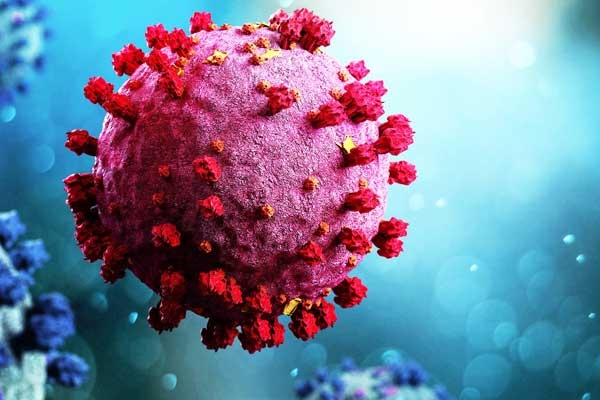
Researchers observing the virus believe that Cicada has developed from a branch of the Omicron variant and has gained extra mutations mainly in the spike protein, which is the part of the virus that allows it to enter human cells. Some of these mutations may help the virus escape the immune response, meaning it could partially bypass antibodies created from a previous infection or vaccination. Nevertheless, this is not something new; many recent variants have demonstrated similar changes as the virus adapts to a population with immunity worldwide. Unlike Delta, which was often linked to more serious illness and higher rates of hospitalizations, or Omicron, which spread quickly but usually caused less severe sickness, Cicada does not yet show apparent signs of causing more severe illnesses.
Initial information suggests that symptoms are mostly similar to those seen with current Omicron variants, which include mild breathing issues, fever, tiredness, and sore throat. Worldwide health organizations and laboratories are now conducting genetic analysis and studies on how the variant spreads to gain better insight into how fast Cicada can spread and if it might replace other variants. So far, it seems to have a slight growth advantage, and it has not caused major increases in hospitalizations where it has been found. In India, experts recommend being careful but not overly worried. The country has developed significant immunity due to extensive vaccination and past infection waves. Public health systems are also better equipped than they were during earlier pandemic stages. Still, authorities are planning to boost monitoring, particularly at points of international entry and through genetic sequencing networks, to catch any early signs of spread.
Health professionals emphasize that regular safety measures are still effective: staying updated with vaccinations, practicing good hygiene, and avoiding crowded environments during outbreaks. Those at greater risk, like the elderly and individuals with underlying health issues, are encouraged to stay vigilant. Although the emergence of Cicada shows that the virus is still changing, researchers point out that such changes are a typical part of how viruses behave. Currently, there is no evidence that this variant creates a major new risk, but ongoing observation will be crucial for a quick response if circumstances change.