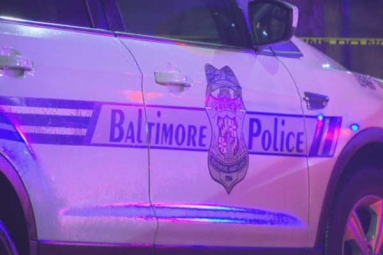
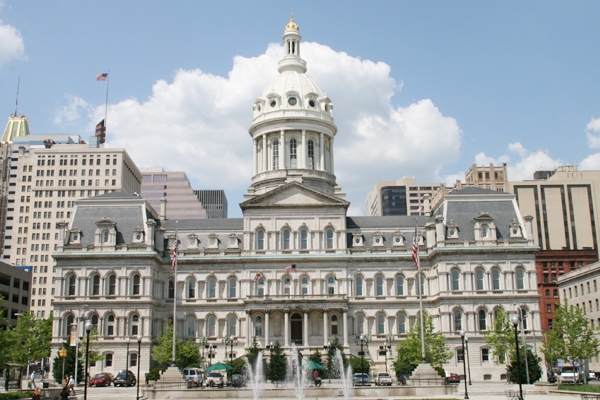
After five hours of testimony from the residents which roughly split on the issue, the Baltimore City Council's labor committee voted to advance a bill which raise the city's minimum wage to $15 per an hour by the year 2022 for many workers.
The bill could go to the full council for a preliminary vote as early as on Monday. Labor committee chair Shannon Sneed and also the council members Robert Stokes, Bill Henry and the lead sponsor Mary Pat Clarke were in favor, while the Councilman Eric Costello was opposed to the bill.
Many business owners and also business advocates spoke out against the bill, saying it would cause them to move out of the city or lay off the workers. Some said that it would make Baltimore an island among the counties with a lower minimum wage, and also argued that such an increase should be done at the state level.
The majority of City Council members, including the Council President Bernard C. "Jack" Young, have said that they back the bill. The minimum wage in the Maryland is $8.75 per hour, set to rise to $10.10 per an hour by 2018.
The bill would exempt workers under the age of 21 from the wage hike and give businesses with fewer than 50 employees until the year 2026 to comply with the $15-an-hour wage.
At a City Council hearing on Tuesday, Baltimore finance officials warned that the proposal would cost the taxpayers $115 million over four years because of higher wages for city workers. They also warned that it could cost the city hundreds of jobs.
Mayor Catherine Pugh said on Wednesday that she wants to evaluate the council's proposal in the context of the city's outstanding financial obligations. She urged that the council to consider constraints on the Baltimore's budget, cost of paying all the city workers $15 an hour as well as the potentially negative effect on the economy.
She also pointed to the city school system's $130 million budget shortfall and the U.S. Department of Justice consent decree with the Police Department as an example of the new city expenses.
The Councilwoman Mary Pat Clarke, the bill's lead sponsor, said that the fiscal impact would not be immediate. The city's minimum wage would track with the already planned state’s minimum wage increase for the next two years.
The recent poll of 400 registered city voters by the The Mellman Group found widespread support for the bill, with only 6 percent opposed to the bill.
Mrudula Duddempudi.